The Literary Scholar

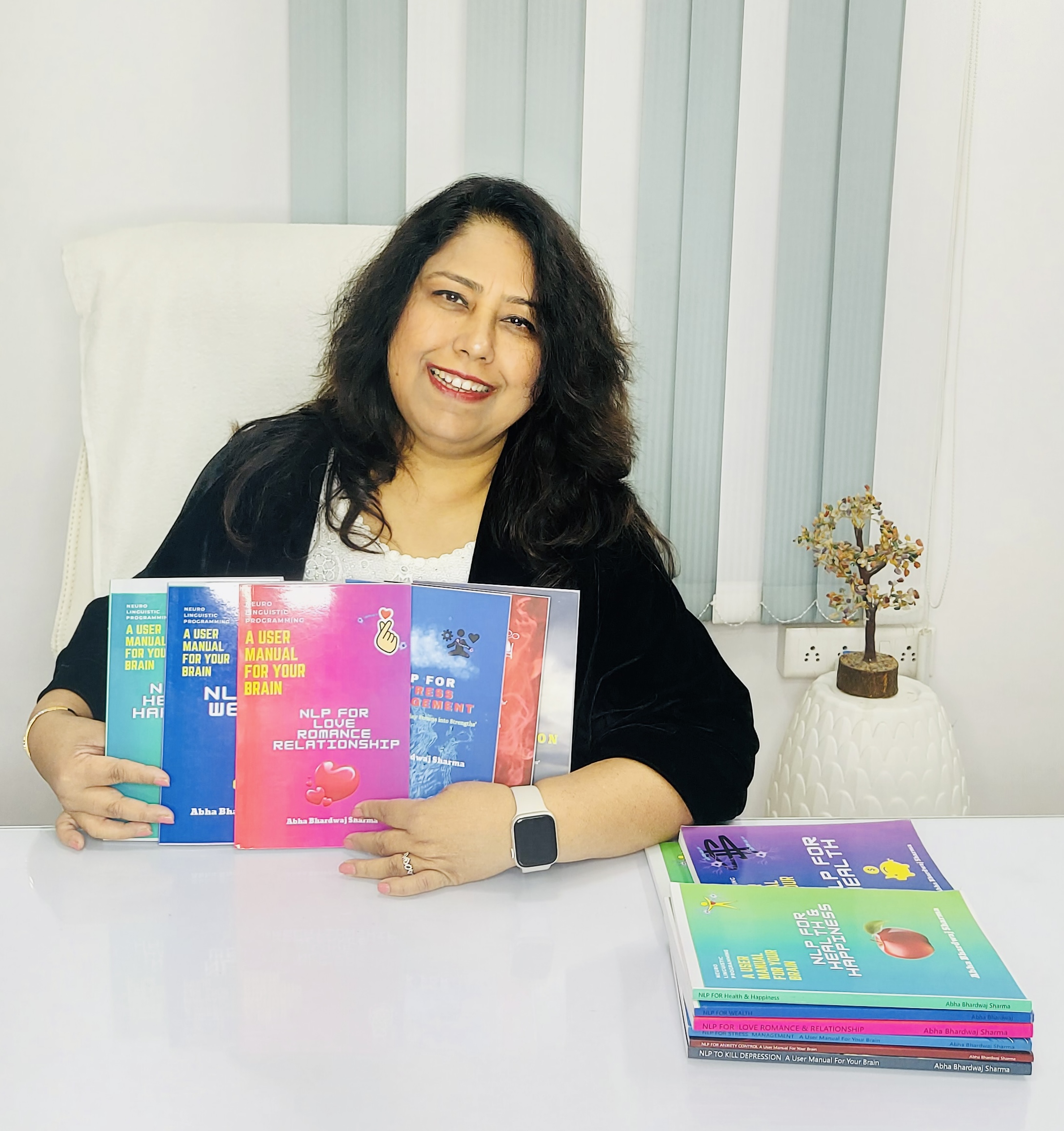
Abha Bhardwaj Sharma is a Professor of English Literature with over 25 years of teaching experience. She is the founder of Miracle English Language and Literature Institute and the author of more than 50 books on literature, language, and self-development. Through The Literary Scholar, she shares insightful, witty, and deeply reflective explorations of world literature.

1. Postmodern British literature : “Welcome to the Literary Funhouse: Postmodernism’s First Wave of Chaos, Control, and Cleverness”

Postmodern British literature : From Fragmentation to Irony—How English Literature Stopped Making Sense (On Purpose) From The Professor’s Desk Once upon a time, literature had rules. Stories had beginnings, middles, and ends. Heroes quested. Tragedies wept. Realism ruled. And then… the post-war world blew all that to bits—again. But this time, the pieces weren’t just […]

1. Postmodern British literature : “Welcome to the Literary Funhouse: Postmodernism’s First Wave of Chaos, Control, and Cleverness” Read More »

4. Modernist literature between wars “Ashes, Absurdities, and Atomic Echoes: Literature Between the Wars and the Void”

Literature between War and Whisper: The Final Phase of Modernism (1939–1959) From The Professor’s Desk When literature walks through the fire, it seldom comes out unburnt.The years 1939 to the late 1950s represent not a neat ending, but a scorched continuum of modernism — disillusioned by one war, scarred by another, and finally entrapped in

4. Modernist literature between wars “Ashes, Absurdities, and Atomic Echoes: Literature Between the Wars and the Void” Read More »

3. Modernist literature between World Wars : After the Guns Fell Silent

3. Modernism : After the Guns Fell Silent — Literature Between Wars A world trying to forget. A literature that refused to. From The Professor’s Desk The war was over. But the wound was not. Modernist literature between World Wars The year was 1919. Europe was exhausted—physically, spiritually, artistically. The battlefield had fallen quiet, but

3. Modernist literature between World Wars : After the Guns Fell Silent Read More »

2. Modernist literature and World War I (1914–1919)

From The Professor’s Desk The Great War did not only kill men. It mutilated meaning. The year was 1914. The sun never set on the British Empire, and across Europe, proud nations paraded their flags to the rhythms of certainty and superiority. It was a world—arrogant, armored, and unsuspecting—marching straight into its own unmaking. In

2. Modernist literature and World War I (1914–1919) Read More »

1. Modern Literature in a Broken World

HOME History of English Literature Prose, Novel & Fiction The Literary Scholar’s WitNotes Poetry Appreciation MODERNISM: Literature in a Broken World (Modern Literature from 1901 to ~1955 — shaped by War, Science, Psychology, and Disillusionment) From The Professor’s Desk “A New Century Dawns — But With Strange Clouds” “The year was 1901. Victoria, the great

1. Modern Literature in a Broken World Read More »

3. Late Victorian Poets and the Aesthetic Turn (1860s–1901)

From the Last Glow of Beauty to the First Shadows of Modern Doubt From The Professor’s Desk As the long Victorian century neared its close, the tone of its poetry grew more muted, its certainties more fragile. This was the realm of Late Victorian Poets and the Aesthetic Turn—a moment when verse turned inward, away

3. Late Victorian Poets and the Aesthetic Turn (1860s–1901) Read More »

2. Victorian Novel : Fiction Becomes the Mirror of Society (1840s–1880s)

Fiction Becomes the Mirror of Society (1840s–1880s) From The Professor’s Desk The Victorian Age of Fiction: When the Novel Found Its Voice The voice of the poet had opened the Victorian Age with grandeur, grief, and doubt.In the resonant cadences of Tennyson, the brooding ironies of Browning, the spiritual melancholy of Arnold, and the moral

2. Victorian Novel : Fiction Becomes the Mirror of Society (1840s–1880s) Read More »

1. Victorian Visions: Faith, Fiction, and the Fractured Empire

Victorian Poetry between the Pull of the Past and the Pressure of Progress (1832–1860s) From The Professor’s Desk PRELUDE: From Romantic Rhapsody to Victorian Realism Literary history never begins or ends cleanly at a monarch’s coronation, or with the signing of a single Act. Yet in the England of the 1830s, a series of tremors

1. Victorian Visions: Faith, Fiction, and the Fractured Empire Read More »

3. Romantic Era — Prose, Shadows, and the Endless Tale

How Romantic visions transformed prose — shaping stories, essays, and Gothic imaginings that continue to haunt and inspire the modern world. From The Professor’s Desk he Prose Turn: From Poetic Lyricism to Narrative Depth If poetry was the heart of Romanticism, prose soon became its voice — deeper, more spacious, more capable of exploring the

3. Romantic Era — Prose, Shadows, and the Endless Tale Read More »

2. Younger Romantics: The Wild Hearts That Burned Too Bright

Byron, Shelley, Keats — the poetic rockstars of their age, who defied convention, embraced passion, and left behind verses that outlived their short, blazing lives. From The Professor’s Desk The story of the Romantic movement is not a gentle stream — it is a river that gathers force, carves new channels, floods its banks, and

2. Younger Romantics: The Wild Hearts That Burned Too Bright Read More »

error: Content is protected !!