The Literary Scholar

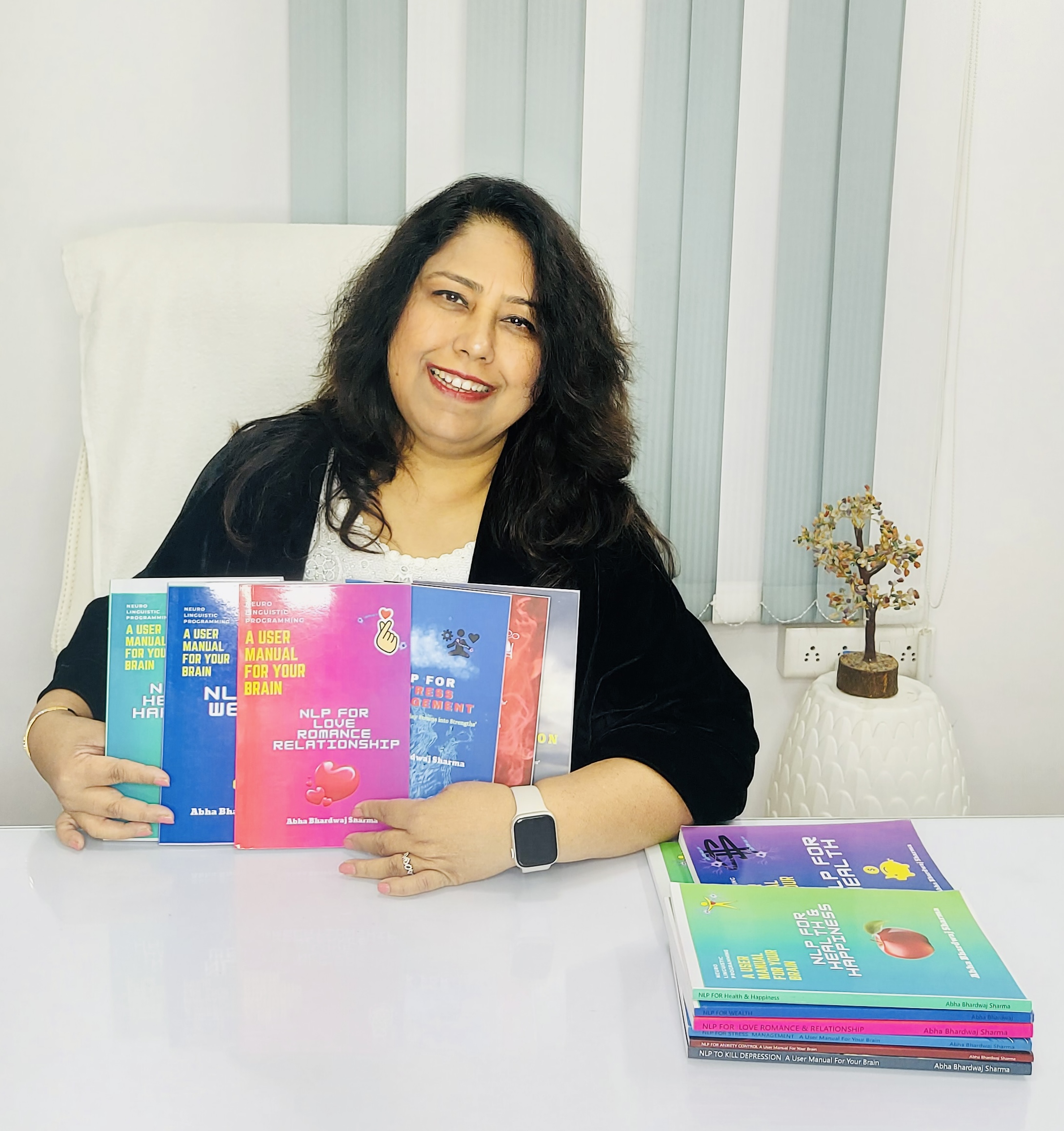
Abha Bhardwaj Sharma is a Professor of English Literature with over 25 years of teaching experience. She is the founder of Miracle English Language and Literature Institute and the author of more than 50 books on literature, language, and self-development. Through The Literary Scholar, she shares insightful, witty, and deeply reflective explorations of world literature.

AusLit-1 From Convicts to Classics: Australia Writes Back (With Sand in Its Ink)

Colonial tales, bush ballads, and the art of storytelling when everyone’s sunburnt and slightly suspicious of authority. By ABS, who believes that the best literature often begins where exile ends—and someone accidentally rhymes “kangaroo” with “screw you.” Australian literature didn’t exactly begin with sonnets and salons. It began with chains, silence, and paperwork. Lots of […]

AusLit-1 From Convicts to Classics: Australia Writes Back (With Sand in Its Ink) Read More »

AfriLit-7: The Last Scroll: Markets, Media, and the Post-Postcolonial Pen

Instagram Poets, Prize Circuits, and Why Everyone’s Still Misreading African Literature From ABS, Who Believes literary fame is not always literary understanding. This is where the syllabus ends—and the spectacle begins. Where the bookshelves gleam with award stickers, and authors smile at literary festivals while secretly wondering if the moderator has read past chapter one.This

AfriLit-7: The Last Scroll: Markets, Media, and the Post-Postcolonial Pen Read More »

AfriLit-6: Afrofuturists and Alien Bureaucrats: Africa Reimagines Tomorrow

Sci-fi, Surrealism, and Why African Writers Are Lightyears Ahead of Western Tropes From ABS, Who Believes that the future is African—and the spaceship runs on ancestral memory and sass. In most Western science fiction, the future looks suspiciously like Silicon Valley in space—clean, white, metallic, and somehow still obsessed with AI having feelings.But in Afrofuturism?

AfriLit-6: Afrofuturists and Alien Bureaucrats: Africa Reimagines Tomorrow Read More »

AfriLit-5. Diaspora Diaries: When African Writers Boarded Planes but Never Left Home

Migration, Memory, and the Global Gaze on African Pain—Exported, Exoticized, and Finally Explained From ABS, Who Believes that exile can write better novels than comfort ever will. Some left by choice.Some were pushed.Some boarded planes, only to find that customs didn’t check for grief, and memory couldn’t be declared. This is the African literary diaspora:

AfriLit-5. Diaspora Diaries: When African Writers Boarded Planes but Never Left Home Read More »

AfriLit-4: How to Survive a Dictator and Still Write Poetry

Resistance Literature from the Streets of Soweto to the Cells of Lagos From ABS, Who Believes metaphors are weapons, especially when the censors don’t get them. When your country jails dissidents, bans books, and declares “everything is fine” while tanks roll past bookstores, you either stop writing or you learn to write like a ninja.Africa

AfriLit-4: How to Survive a Dictator and Still Write Poetry Read More »

AfriLit-3: He Wrote, She Wrote, The West Misquoted

African Women Writers and the Fine Art of Reclaiming Narrative Without Needing a White Translator’s Approval From ABS, Who Believes the only thing more powerful than a mother tongue is a mother with a pen. He Wrote, She Wrote, The West Misquoted African Women Writers and the Fine Art of Reclaiming Narrative Without Needing a

AfriLit-3: He Wrote, She Wrote, The West Misquoted Read More »

AfriLit-2: Gods, Griots, and Government Agents

Myth, Magic, and Modern Mess in African Storytelling from Oral Epics to Bureaucratic Nightmares From ABS, Who Believes folktales are more truthful than most press briefings. Before the printing press or publishing deals, before the empire’s map crayons coloured entire continents beige, Africa had its own Wi-Fi network: the griot. A walking library. A melodic

AfriLit-2: Gods, Griots, and Government Agents Read More »

AfriLit-1: When the Empire Brought a Pen and Took the Land

Colonialism, Culture Clashes, and Why Chinua Achebe Had Every Right to Be Annoyed From ABS, Who Believes stories survive empires, but sarcasm survives history. It begins, as most tragic tales do, with someone arriving uninvited. Long before PowerPoint presentations and TED Talks about “cultural sensitivity,” colonial powers marched into Africa with swords, Bibles, and the

AfriLit-1: When the Empire Brought a Pen and Took the Land Read More »

CanLit-5. Post-Maple Literature: Queer, Bold, and Beautifully Unbothered

Gender, identity, mental health, and everything the old CanLit canon politely ignored. By ABS, who believes the future of literature belongs to those who never asked permission to speak. Let’s be honest. Canadian literature used to be like a well-behaved dinner guest—clean shoes, decent opinions, and a tendency to whisper. But lately, it’s been showing

CanLit-5. Post-Maple Literature: Queer, Bold, and Beautifully Unbothered Read More »

CanLit-4. Immigrant Ink and Urban Angst: Canada Writes Itself a New Face

From Mistry to Martel, multiculturalism met narrative—and everything got delightfully complicated. By ABS, who believes that literary diversity is Canada’s quiet superpower (along with passive-aggressive weather). If the previous phase of CanLit was all about literary superstars and dystopian disasters, this one is about something quieter but more radical: the changing face of the narrator.

CanLit-4. Immigrant Ink and Urban Angst: Canada Writes Itself a New Face Read More »

error: Content is protected !!