Reimagined, Retold, and Ruthlessly Roasted
Where We Politely Step Into the 18th Century and Immediately Regret It
Picture London in the early 1700s.
Everyone smells like rosewater, ego, and inherited entitlement. Tea has replaced oxygen. Coffee houses pretend to be intellectual hubs while hosting men who believe Latin is a seasoning. Women are expected to flutter, faint, and exist as decorative punctuation marks.
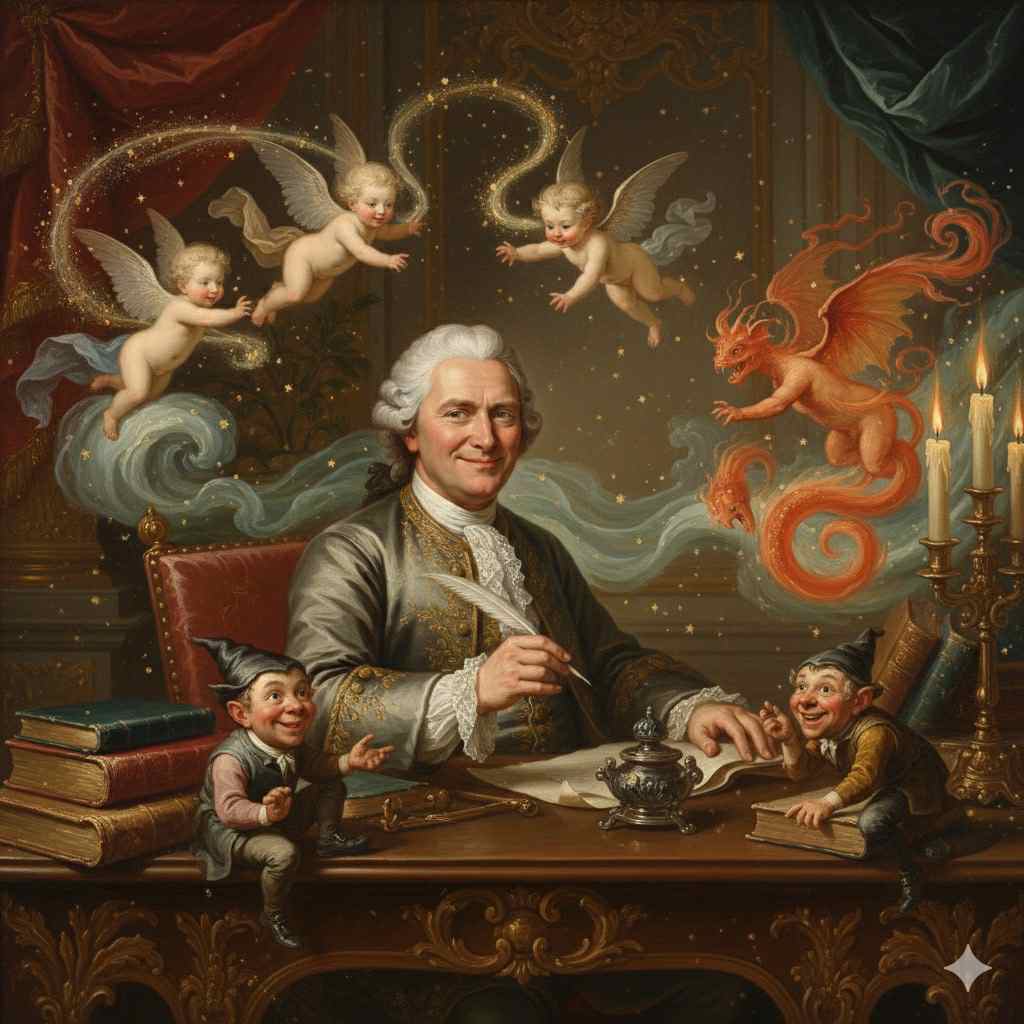
Enter Alexander Pope. A short, sickly, brilliant troublemaker who looked around at this circus and thought, “Perfect. Let me write a mock-epic that embarrasses them so hard they won’t recover till the Enlightenment actually enlightens them.”
His inspiration?
A silly high-society scandal where a guy snipped a lock of hair from a girl, and everyone behaved like the nation had been invaded and the monarchy had died.
Yes. A haircut became a crisis.
Welcome to the 18th century.
Pope sharpened his quill, cleared his throat like a man about to gossip, and gave us a poem so savage it could trend on Twitter even today.
And now, in the spirit of poetic audacity, here is my personal ABS-style motto for this retelling:
“If satire were a hairstyle, Pope gave them bangs they didn’t ask for. I’m just here to give them a full makeover.” — ABS
And now the fun begins.
Belinda Wakes Up, and the Universe Pretends It Matters**
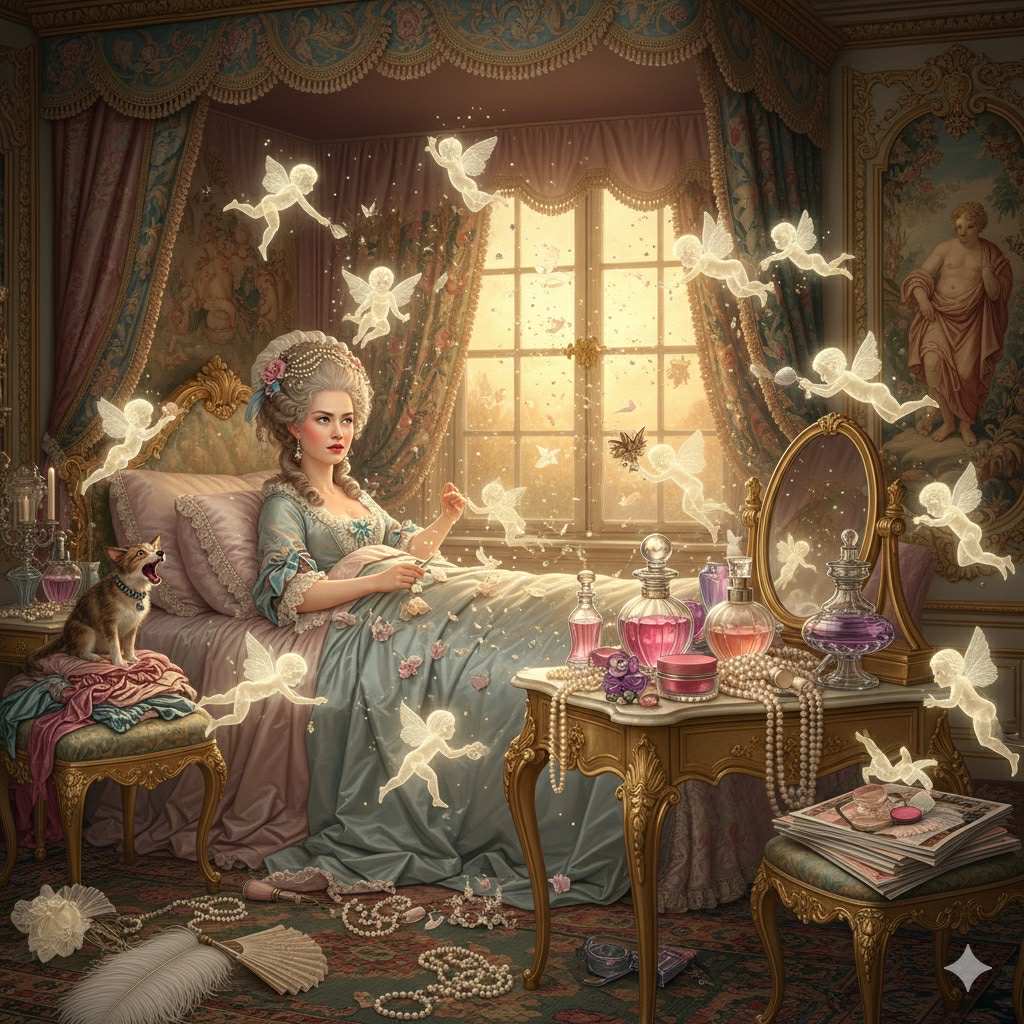
The poem opens with Belinda sleeping…
because of course she is.
18th century beauty standards:
Sleep till noon, pretend it’s demure, and let guardian sylphs do all the actual work.
Pope, with the gentle sarcasm of a man who has watched too many aristocrats powder their stupidity, writes:
“This nymph, to the destruction of mankind, / Nourish’d two locks, which graceful hung behind.”
Translation:
Belinda’s hair was so dangerously pretty it might start international conflict.
Honestly, if only geopolitics were that simple today.
The sylphs flutter around her like unpaid interns.
Ariel, their leader, gives her a heavenly pep talk about virtue and vanity, though even he knows the two don’t get along.
And here’s where Pope slips in the kind of line that proves he roasted his society before roasting became a verb:
“On her white breast a sparkling cross she wore, / Which Jews might kiss, and infidels adore.”
He basically said: “Belinda’s necklace is doing more missionary work than the missionaries.”
ABS commentary, naturally:
“If your necklace has more personality than you, congratulations—you qualify as 18th-century elite.” — ABS
Part I sets the stage:
Beauty, vanity, illusions, and sylphs working harder than Belinda ever will.
Belinda Goes Out, Social Anxiety Dresses Up as a Boat Ride**
Belinda heads to Hampton Court on a boat because where else would elite people go to pretend they’re profound?
Her small talk shines with the depth of a puddle:
coffee, cards, cosmetics, court rumors, and casual flirting disguised as moral virtue.
Pope writes:
“Favours to none, to all she smiles extends; / Oft she rejects, but never once offends.”
Which is the poetic version of:
“She played everyone, broke no rules, and broke many hearts. Impressive.”
And then comes the fatal moment.
The Baron sees the famous lock.
He stares.
He plots.
He prays to gods and takes burnt offerings…
just to cut hair.
Imagine a grown man sacrificing hearth-tongs to commit mild hairstyling.
ABS verdict:
“If ambition were measured by stupidity, the Baron would be prime minister.” — ABS
Pope shows us a world where people make Homeric oaths over vanity.
You’re welcome to laugh.
Pope certainly did.
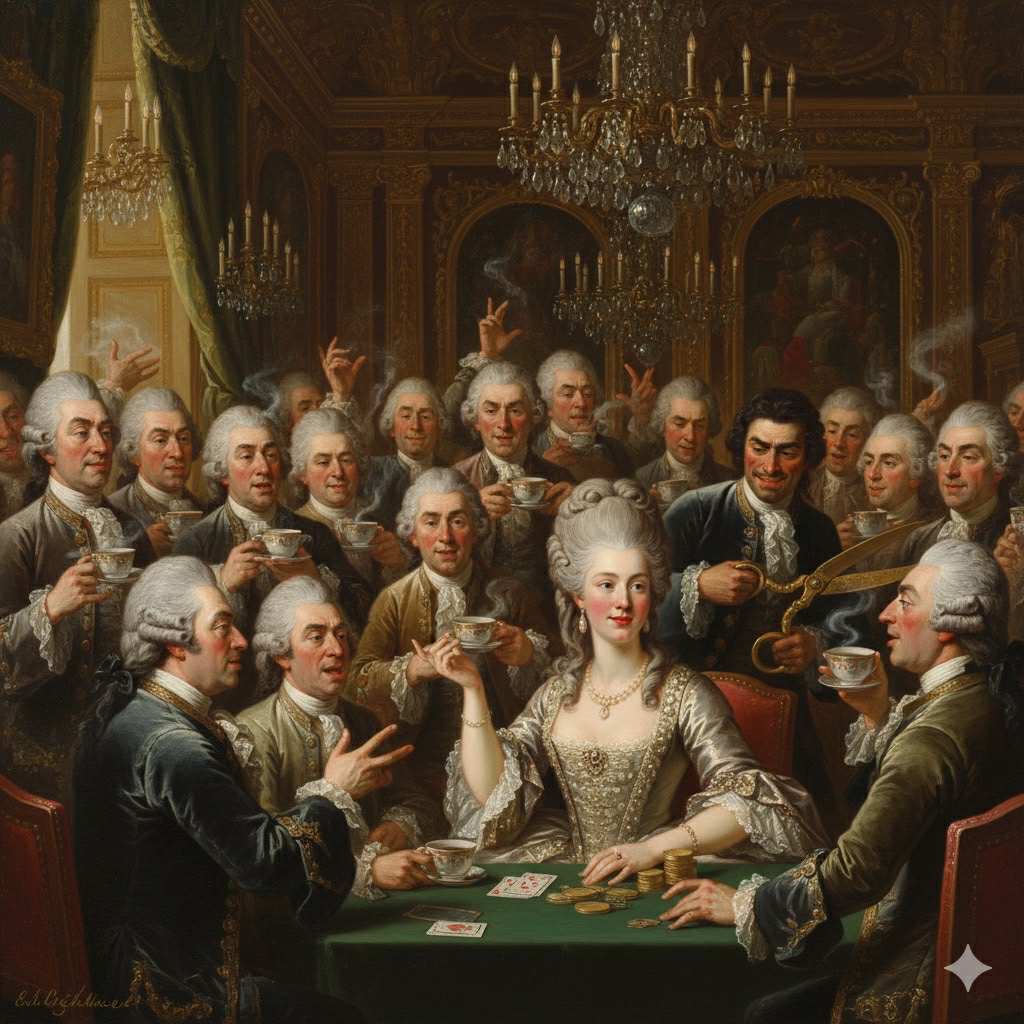
The Coffee, the Cards, the Chaos: The First Real Housewives Episode**
This is where high society transforms into a card table battlefield.
Coffee steams.
Tempers rise.
People pretend they understand probability.
Pope nails them with this gem:
“The coffee (which makes the politician wise) / And see through all things with his half-shut eyes.”
Translation:
Coffee is the reason politicians think they’re intelligent.
Some jokes age beautifully.
Belinda, meanwhile, is killing it at Ombre.
She wins the game.
She sparkles.
Everyone pretends to care.
And in that moment of triumph, the Baron strikes.
Snip.
One lock gone.
The sylphs cry.
Belinda gasps.
Society collapses.
And Pope, the king of mockery, grins behind the page.
ABS interpretation:
“If only men today fought this hard to understand consent.” — ABS
The Great Hair Crisis: Tears, Tantrums, and Tragedies That Aren’t**
Belinda reacts like someone stole her Amazon login.
She screams at the heavens.
She calls upon every cosmic deity available.
You’d think Achilles had died again.
Pope doesn’t spare her:
“Was it for this you took such constant care / The bodkin, comb and essence to prepare?”
He basically said:
“All that effort, and one idiot with scissors ruined your entire personality?”
Meanwhile, Clarissa—a rare voice of reason in a world addicted to nonsense—gives her a TED Talk about having actual character.
Naturally, everyone ignores her.
Because who wants sense when drama is available for free?
ABS comment:
“Clarissa is that friend who drops truth bombs at brunch while everyone else wants photos for Instagram.” — ABS
Up She Goes: From Hair to Heaven (Because That’s What Happens When You Overreact)**
The lock, having caused international emotional damage, suddenly vanishes.
Nobody knows where it went.
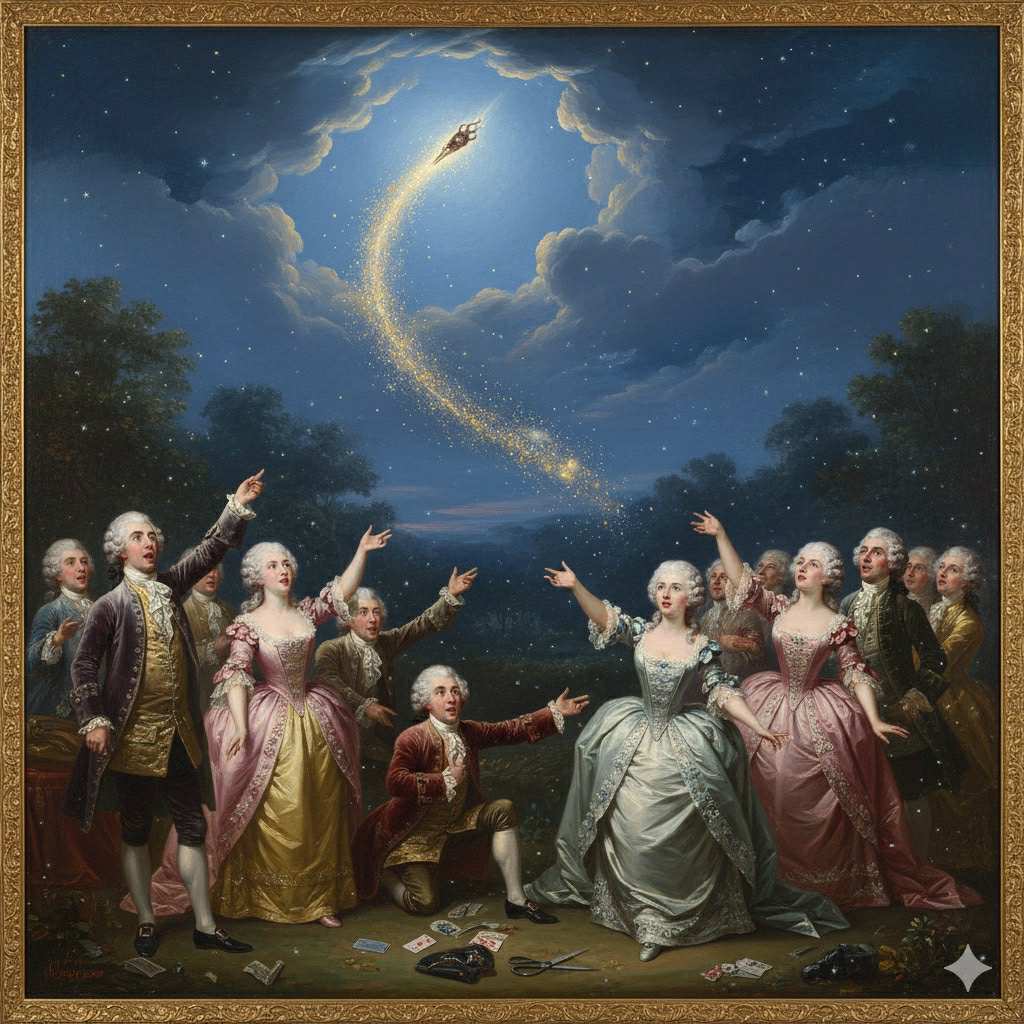
And Pope, with the most delightful twist, declares it has ascended to the sky where it shines as a constellation—because vanity deserves immortality too.
He writes:
“A sudden star, it shot through liquid air.”
That’s right.
Belinda’s lock became a star.
She basically got celestial highlights.
The poem ends with grace, laughter, and a sense of proportion that high society never possessed.
ABS finale:
“Only in Pope’s world can a haircut become astronomy. Honestly, it’s inspiring.” — ABS
CONCLUSION: Why This Poem Still Slaps Harder Than Belinda’s Fan
The Rape of the Lock isn’t about hair.
It’s about ego, performance, vanity, and the absolute emptiness of privileged society.
Swap Hampton Court for social media, and nothing has changed.
People still obsess over appearances.
People still treat minor inconveniences like Greek tragedies.
People still think coffee gives them wisdom.
People still curate their lives to appear ethereal while doing nothing of value.
Pope roasted his era.
We roast ours.
And in the middle, satire keeps winning.
This retelling?
It’s not just homage.
It’s a reminder that human beings have always been beautifully ridiculous.
“The world changes. Vanity doesn’t.” — ABS
If you want this expanded into a full polished scroll with headings, stylized quotes, line spacing, signature action, or a specific length, tell me.
“Let them keep their wigs, their whispers, and their delicate disasters. Satire needs no invitation; it simply walks in, smiles politely, and exposes everyone.” — ABS
Share this post / Spread the witty word / Let the echo wander / Bookmark the brilliance